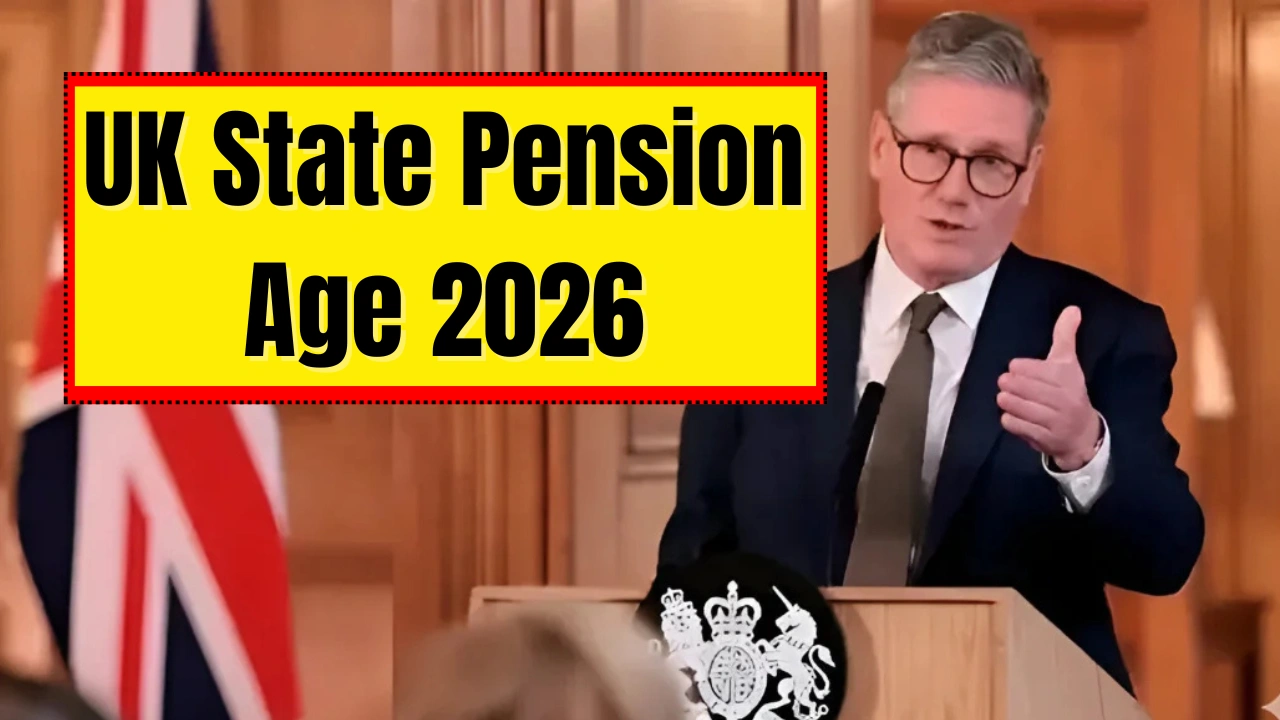
The conversation about retirement in the United Kingdom has reached a turning point as the government confirms upcoming changes to the State Pension Age. For many citizens, the idea of retiring at 67 no longer feels realistic. Health concerns, physical exhaustion, and rising living costs have made the current system a challenge for millions of older workers. These developments have sparked a nationwide debate about fairness and quality of life in retirement. People are now asking whether the government will provide a more flexible system that allows citizens to retire earlier without facing financial hardship.
With the UK State Pension Age 2026 under review, millions of workers are paying close attention. The new proposals suggest that retirement could become more adaptable, recognizing differences in health, work conditions, and life expectancy. This means that citizens might be able to plan a retirement that suits their individual circumstances rather than following a rigid age-based system. Understanding these changes is crucial for workers who want to make informed decisions about their financial security and wellbeing in the years ahead.
UK State Pension Age 2026
The UK State Pension Age 2026 is expected to introduce significant changes for workers across the country. Current legislation sets the retirement age at 67, but discussions now focus on lowering it or offering more flexible options. Options being considered include reducing the age to 66 or 65, allowing early retirement with reduced benefits, and creating special provisions for those in physically demanding jobs or with chronic health conditions. The proposals are designed to address inequality in life expectancy and job-related physical stress, making retirement fairer for all citizens. Public pressure and social expectations have played a key role in bringing these changes to the forefront of government policy, and many hope the new system will provide the freedom to retire with dignity, health, and financial security.

Overview Table
| Aspect | Details |
| Current State Pension Age | 67 |
| Proposed Pension Ages | 65, 66, or flexible options |
| Early Retirement Options | Reduced benefits for early claim |
| Health-Based Eligibility | Workers with chronic conditions may retire earlier |
| Job-Based Retirement | Physically demanding roles may have earlier access |
| Regional Variations | Areas with lower life expectancy may receive earlier pensions |
| Primary Drivers of Change | Health inequality, rising living costs, social expectations |
| Benefits | Improved quality of life, reduced stress, financial support |
| Challenges for Government | Increased expenditure, administrative updates, budget balance |
| Public Reaction | Positive, widespread support for earlier retirement |
Why the UK State Pension Age Is Being Reconsidered
For decades, the government gradually increased the State Pension Age citing longer life expectancy. However, many older workers now find this standard unrealistic. Individuals in physically intensive roles experience health issues, fatigue, and stress much earlier than office workers. At the same time, rising living costs make it difficult for older citizens to rely solely on pensions once they reach 67. Many feel that the current retirement system does not adequately reflect modern work challenges or provide a fair opportunity for older adults to enjoy a comfortable life. These considerations have prompted policymakers to reassess the pension age, aiming for a more equitable and humane system that aligns with contemporary work realities.
Key Reasons Behind the Change
The government is considering changes to the State Pension Age for several important reasons. First, health inequality plays a central role. Life expectancy and physical capability differ widely among professions, meaning a fixed retirement age does not suit everyone. Second, financial pressure has increased due to the rising cost of living, forcing many to continue working longer than is physically or mentally sustainable. Finally, social expectations have evolved. Retirement is increasingly seen as a period for rest, enjoyment, and quality time with family, rather than an extension of stressful work life. These factors together justify a rethinking of when citizens should receive pension benefits.
What “Goodbye to 67” Could Mean
If the government approves a lower or more flexible State Pension Age, millions of workers may no longer need to wait until 67 to retire. This change would provide greater financial security, improve health outcomes, and enhance quality of life. Early access to pensions could allow citizens to spend their later years traveling, engaging in hobbies, or simply enjoying time with loved ones. It would also create more opportunities in the job market for younger workers, promoting productivity and innovation. Overall, saying goodbye to retiring at 67 represents a significant cultural and policy shift in the way the country views work and retirement.

Expected New Pension Age Options
Experts believe several options could be introduced as part of the revised pension system. The government may lower the standard retirement age to 65 or 66. Flexible retirement schemes could allow citizens to claim benefits early with reduced payments or delay benefits to receive higher amounts. Job-based retirement provisions could be available for physically demanding roles, and health-based retirement could allow those with chronic conditions to retire without penalty. Some proposals even suggest regional variations where individuals in areas with lower life expectancy could access pensions sooner. These options are designed to make the system fairer and responsive to the varying needs of citizens.
Why Millions Want Earlier Retirement
Millions of workers support a lower pension age because of health, quality of life, and mental wellbeing concerns. Physically demanding jobs often cause joint pain, fatigue, and long-term health issues. Many people want to enjoy their later years while still active rather than waiting until they are physically exhausted. Mental health also plays a role, as continuing stressful work past early 60s can increase anxiety and reduce overall wellbeing. Additionally, lower-income workers age faster due to difficult work conditions, making a standard retirement age seem unfair. Earlier retirement would give citizens a chance to live healthier and more fulfilling lives.
Benefits of a New State Pension Age
Revising the State Pension Age would provide multiple benefits. Early pension access would improve financial security and help households manage living expenses without extended work periods. Reduced stress and physical strain would enhance long-term health. Younger workers would gain more employment opportunities, promoting economic growth and productivity. Finally, a more humane retirement system would respect the physical and mental health of older citizens and improve overall quality of life for millions.

Challenges for the Government
Changing the pension age presents financial and logistical challenges. Paying pensions earlier increases government expenditure, and eligibility rules must be updated to account for new criteria. The administration will need to adjust systems and resources to manage these changes effectively. Budgetary planning is crucial to ensure the system remains sustainable while addressing public demand for fairness. Despite these challenges, many argue that the social and health benefits of early retirement outweigh the financial burden on the government.
How Workers Should Prepare
Workers should stay informed by following official government announcements. Reviewing workplace pensions and private savings is essential, along with using pension calculators to estimate potential retirement income. Seeking advice from financial and pension advisors can help individuals plan for earlier retirement and ensure that personal savings complement government benefits. Being proactive allows workers to adjust their retirement planning to new rules and avoid surprises.
Public Reaction to the Idea
Public response to the possibility of retiring before 67 has been overwhelmingly positive. Social media discussions reveal strong support for a system that values wellbeing and quality of life. Workers are hopeful that these changes will lead to a fairer, more flexible retirement system. Many citizens feel that retiring earlier is not only financially sensible but also crucial for maintaining health and personal freedom.

Will the UK Truly Say Goodbye to Retiring at 67
The final decision will depend on ongoing political negotiations, financial assessments, and public feedback. However, there is growing consensus that a revised pension age is necessary. Millions of workers may finally gain the ability to retire earlier, enjoy their later years with dignity, and plan for a future that balances work and life effectively.
Frequently Asked Questions
What is the new proposed State Pension Age in the UK?
The new proposals include lowering the pension age to 65 or 66, or introducing flexible retirement options for early or late pension access.
Who will benefit the most from a lower pension age?
Workers in physically demanding roles, those with chronic health conditions, and individuals in lower-income communities will benefit the most.

Will early retirement reduce pension payments?
Yes, early retirement may lead to reduced monthly pension payments, while delaying retirement can increase payouts.
How can workers prepare for these changes?
Workers should review pension plans, check eligibility, use calculators, and consult pension advisors to plan effectively.