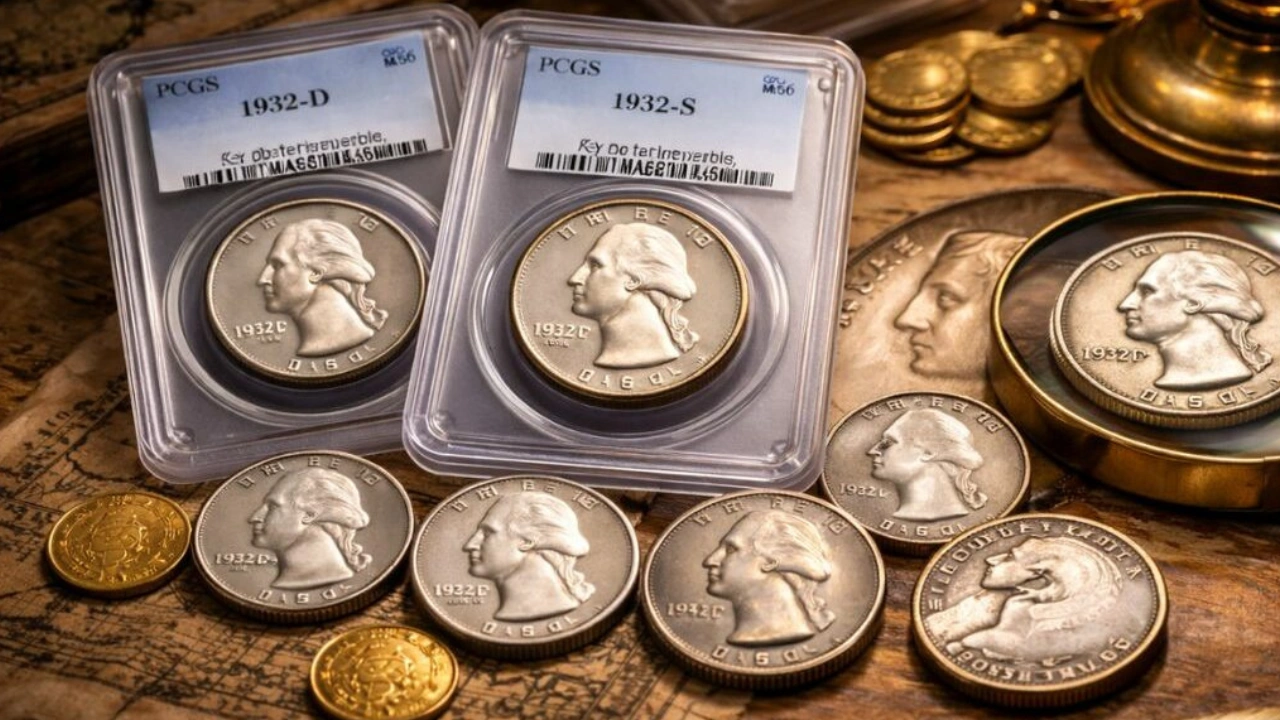
The State Quarters program launched by the United States Mint in 1999 became one of the most influential coin collecting initiatives in modern history. By celebrating the unique culture, heritage, and landmarks of each state, this program brought coin collecting into the homes of millions of Americans. Over its eleven-year run, collectors of all ages eagerly awaited each new release while families and schools used the coins for educational purposes. Today, the State Quarters Value Guide 2026 provides collectors and enthusiasts with detailed insights into how the market has evolved, which coins have appreciated in value, and how to identify the most sought-after quarters. Understanding this guide is essential for anyone looking to explore the rich world of state quarters and make informed collecting decisions.
State Quarters Value Guide 2026
For collectors, the State Quarters Value Guide 2026 is a critical resource to understand trends, price fluctuations, and the factors that affect a coin’s value. Over the past eleven years, certain quarters have become highly collectible due to low mintage numbers, rare mint marks, and pristine conditions. Collectors track market patterns by following auction results, coin shows, and professional grading reports to identify coins with high investment potential. Coins with Denver or San Francisco mint marks, proof editions, or limited release sets often command significantly higher prices than common circulation coins. The guide also emphasizes preservation, showing that uncirculated coins stored in protective cases retain value over time. With increasing interest in collectible coins, this guide helps collectors stay informed about which quarters are valuable now and which ones are likely to appreciate further.
Overview Table
| Quarter Type | Key Information |
| Common State Quarters | Generally hold face value to one dollar and are widely available |
| Low-Mintage Quarters | Limited production coins that can range from five dollars to over one hundred dollars |
| Rare Mint Marks | Coins from Denver and San Francisco mints often fetch higher prices |
| Collector Sets | Special sets and proof coins valued between twenty dollars to five hundred dollars |
| Historical Significance | Coins that commemorate unique state history are more desirable |
| Condition Matters | Uncirculated or graded coins retain the highest market value |
| Public Participation | Over one hundred million people collected quarters during the program |
| Program Legacy | Inspired follow-up programs including D.C. and U.S. Territories Quarters |
| Market Trends | Tracking auctions and coin shows helps predict price appreciation |
| Investment Potential | Certain quarters continue to grow in value and are sought by collectors |
How the State Quarters Program Started
The State Quarters program began with the goal of highlighting each state in a creative and educational way. Every few months, new quarter designs were released, featuring landmarks, cultural icons, and historical symbols from each state. The coins were issued in the order in which states joined the Union, providing a chronological journey through United States history. This approach made coin collecting enjoyable for beginners and seasoned hobbyists alike. Collectors appreciated that each coin had its own story and significance. The program not only encouraged Americans to save and collect coins but also transformed everyday currency into collectible pieces of history.

Public Interest and Participation
The program gained remarkable public interest from the very beginning. Families and schools used the coins for teaching purposes, while collectors eagerly sought rare editions. Many coins were preserved in albums and some were even kept as long-term investments. The State Quarters program engaged over one hundred million participants across the United States. Collectors looked for special mint marks, limited releases, and proof editions to complete their collections. This high level of participation ensured that the program left a lasting impact on the collector market and inspired new generations of enthusiasts to explore coin collecting.
Economic and Collectible Impact
The State Quarters program influenced both the economy and the collectibles market. Coins were withdrawn from circulation for collection, creating higher demand for newly minted quarters. The United States Mint increased production to meet this demand, but low-mintage and rare coins remained highly valuable. Over time, these coins appreciated considerably, particularly when kept in uncirculated condition or in collector sets. Collectors who monitored market trends could benefit from the growing demand for specific quarters. The program proved that coins could be both educational tools and investment assets, combining history and financial potential in one collectible item.
Program Completion and Legacy
The State Quarters program concluded in 2008 after the final quarter was released. Its success led to additional initiatives such as the D.C. and U.S. Territories Quarters program and the America the Beautiful Quarters program. Even today, state quarters remain iconic among collectors for their historical significance and creative designs. The program’s legacy extends beyond coins to inspire educational activities and maintain interest in coin collecting. These quarters continue to attract attention from both casual collectors and investors who see value in the rarity, condition, and historical importance of each coin.

Tips for State Quarter Collectors
Collectors can maximize value and enjoyment from state quarters by following a few key strategies. Check the mint marks carefully, as coins from Denver and San Francisco mints often hold higher value. Preserve coins in protective cases to maintain their uncirculated condition. Monitor market trends, attend coin shows, and follow auction reports to understand which quarters are in demand. Focus on collector sets and proof editions for long-term investment potential. By combining careful preservation with knowledge of market trends, collectors can build collections that are both historically meaningful and financially rewarding.
Value of State Quarters
The value of state quarters depends on rarity, mint mark, condition, and demand. Common quarters typically remain near face value. Coins with low mintage, rare mint marks, and proof editions can command significant premiums in the market. Collectors pay particular attention to coins preserved in uncirculated or certified condition. Maintaining awareness of current trends, including auction results and dealer pricing, helps collectors identify high-value quarters for investment or display. Historical and cultural significance also adds to a coin’s desirability and long-term value.

FAQs About the State Quarters Program
Are State Quarters still valuable today?
Yes, coins with rare mint marks or limited production can fetch high prices. Most common quarters remain at face value.

How many quarters were issued?
Fifty unique state quarters were released from 1999 to 2008, each representing a state in the order of joining the Union.
Did mintage vary by state?
Yes, some coins were produced in smaller quantities, increasing collector value.
Can beginners start collecting now?
Absolutely. Starter sets and common coins are still affordable and available for new collectors.

Did the program inspire other coin initiatives?
Yes, it led to the D.C. and U.S. Territories Quarters program and the America the Beautiful Quarters program.